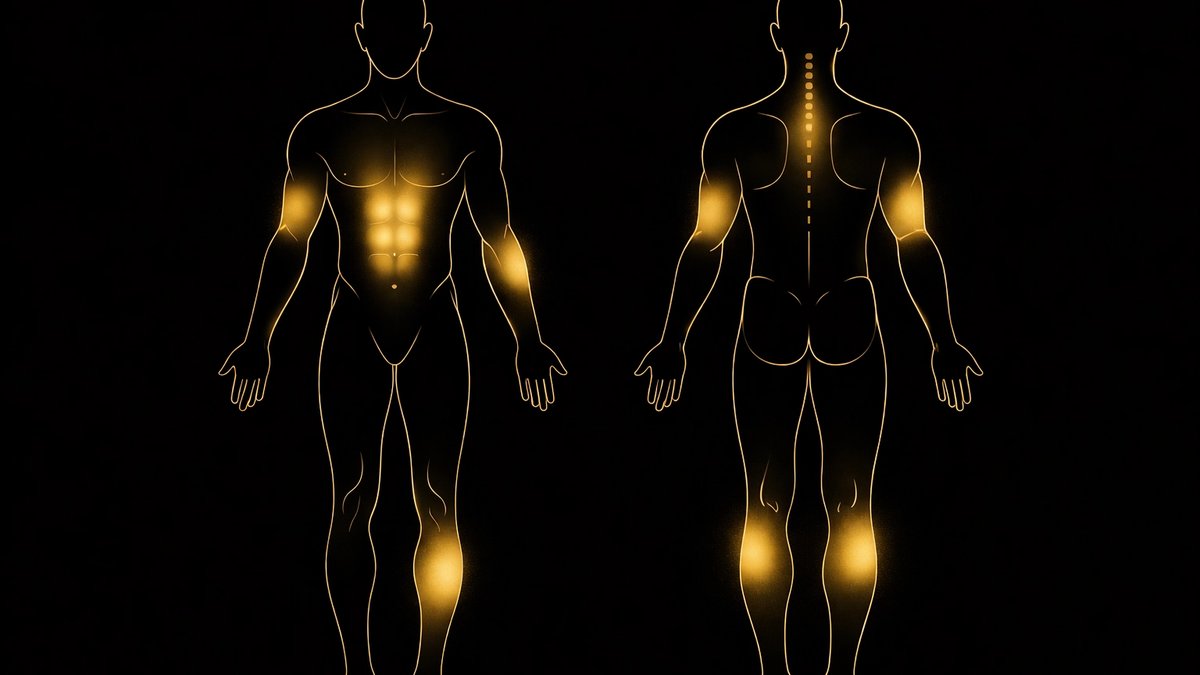
Tattoo Pain Chart Explained: The Honest Truth About Tattoo Pain by Placement (2025 Guide)
Thinking about your first tattoo? This honest guide explains tattoo pain by placement, the tattoo pain chart, and which areas hurt most—so you can feel confident and prepared.
Getting your first tattoo is exciting—but let’s be honest, pain is usually the biggest concern. If you’ve been searching for a tattoo pain chart, trying to understand tattoo pain by placement, or worrying about the most painful tattoo spots, you’re not alone.
At Catharsis Body Art, we work with first-time tattoo clients every day. Nervous questions about pain are normal, valid, and expected. This guide is written specifically for pain-conscious readers who want honest answers—without fear-mongering.
Whether you’re planning a small minimalist tattoo or something more detailed, understanding pain levels can help you feel calm, prepared, and confident.
Understanding Tattoo Pain: Why Placement Matters Most
Tattoo pain isn’t random. It’s closely tied to where the tattoo is placed on your body. A tattoo pain chart exists because certain areas naturally have:
- Thinner skin
- More nerve endings
- Less muscle or fat padding
- Higher sensitivity
That’s why tattoo pain by placement can vary dramatically from one spot to another. Two people can get the same design, but experience very different pain levels based solely on location.
💡 Good news: Pain does not mean danger. Tattoo pain is controlled, temporary, and safe when done by professional artists.
Tattoo Pain Chart: Pain Levels Explained (Low to High)
Tattoo pain charts typically use a 1–10 scale, where:
- 1–3 = Mild discomfort
- 4–6 = Moderate, manageable pain
- 7–9 = Intense pain
- 10 = Rare, extreme sensitivity
Let’s break this down by placement.
Low-Pain Tattoo Placements (Best for First-Timers)
If this is your first tattoo and pain anxiety is high, start here.
Outer Arm & Shoulder
- Pain level: 2–3
- Why: Thick skin and muscle absorb vibration well
- Sensation: Light scratching or vibration
Forearm
- Pain level: 3–4
- Why: Even skin, fewer nerve clusters
- Bonus: Easy to watch and heal
Calf
- Pain level: 3–4
- Why: Muscle padding reduces sharp sensations
👉 These areas are ideal starter spots and highly recommended for nervous clients.
Moderate Tattoo Pain by Placement (Totally Manageable)
These areas may sting more but are still very tolerable.
Upper Thigh
- Pain level: 4–5
- Sensation: Pressure with mild burning
Upper Back
- Pain level: 4–5
- Why: Large surface area, fewer nerves
Outer Chest (not near sternum)
- Pain level: 5–6
- Sensation: Sharp but consistent
Most people describe these placements as “uncomfortable, but doable.”
The Most Painful Tattoo Spots (Honest Warning)
Let’s talk honestly about the areas people fear the most.
Ribs
- Pain level: 8–9
- Why: Thin skin + constant movement from breathing
- Sensation: Sharp, intense vibration
Spine
- Pain level: 8–9
- Why: Bone proximity and nerve density
Hands & Fingers
- Pain level: 7–8
- Extra challenge: Fading and touch-ups
Feet & Ankles
- Pain level: 7–8
- Sensation: High vibration, nerve sensitivity
Neck & Throat
- Pain level: 8–9
- Emotional factor: Vulnerable area
⚠️ These are considered the most painful tattoo spots, but people still choose them every day—successfully.
Why Tattoo Pain Is Different for Everyone
Even the best tattoo pain chart is a general guide, not a guarantee.
Pain tolerance is affected by:
- Stress and anxiety levels
- Sleep quality
- Hydration
- Blood sugar levels
- Hormones
- Past pain experiences
Someone calm, hydrated, and prepared often handles pain far better than expected.
How to Prepare for Tattoo Pain (Proven Tips)
Want to reduce pain naturally? Do this:
- ✅ Get a full night’s sleep
- ✅ Eat a solid meal beforehand
- ✅ Drink plenty of water
- ❌ Avoid alcohol or drugs
- ❌ Don’t come sick or exhausted
At Catharsis Body Art, we also:
- Check in with you throughout the session
- Offer breaks when needed
- Create a calm, supportive environment
You’re never expected to “tough it out.”
Tattoo Pain vs. Tattoo Anxiety: What First-Timers Feel
Many first-time clients are surprised to discover:
“The anticipation was worse than the pain.”
Tattoo pain is predictable, steady, and short-lived. Anxiety, on the other hand, can amplify sensations. Once the needle starts, most people relax within minutes.
FAQs: Tattoo Pain Chart & Placement Questions
1. What is the least painful place to get a tattoo?
The outer arm, shoulder, and forearm are generally the least painful.
2. What is the most painful tattoo spot?
Ribs, spine, neck, hands, and feet consistently rank highest on tattoo pain charts.
3. Does tattoo size affect pain?
Yes. Larger tattoos take longer, which can increase discomfort over time.
4. Are color tattoos more painful than black ink?
Color packing can feel more intense because it often requires repeated passes.
5. Can I take painkillers before a tattoo?
Avoid aspirin or blood thinners. Ask your artist before taking anything.
6. Is tattoo pain worse for first-timers?
Not necessarily. First-timers often handle pain very well once they relax.
Tattoo Pain by Placement: Choosing What’s Right for You
The “best” placement isn’t about bravery—it’s about comfort, meaning, and confidence. A tattoo should be a positive experience, not something you dread.
If pain is your top concern, start with:
- Outer arm
- Forearm
- Calf
You can always explore more sensitive areas later.
Final Thoughts: You’re Stronger Than You Think
Tattoo pain is temporary. Regret from fear can last longer.
With the right preparation, placement, and professional artist, your tattoo experience can be empowering—even enjoyable.
If you’re in Brownsburg and still feeling unsure, we’re always happy to talk through your concerns.
Ready When You Are
Visit Catharsis Body Art to ask questions, explore designs, or schedule a consultation. No pressure—just honest guidance.